
Will farming ever be a one day per week job?
In 90 years’ time, AI and robotics will have so transformed our world that farming will be a one day per week job. That was the argument posed at the Oxford Farming Conference debate in January 2026, 90 years after the first event was held, and what an interesting debate it was.
In seconding the motion, I was supporting Dr Elliott Grant, Visiting Fellow at Cambridge University’s Institute for Manufacturing and expert on the role of AI in agriculture, with 30 years’ experience in Silicon Valley behind him. It would be fair to say that Elliott’s informed view on what the future will look like is radically different from that of most of the audience: he argued that AI and automation will be able to do most things, including farming, much better and quicker than humans can, well within the 90 year timeline we were given.
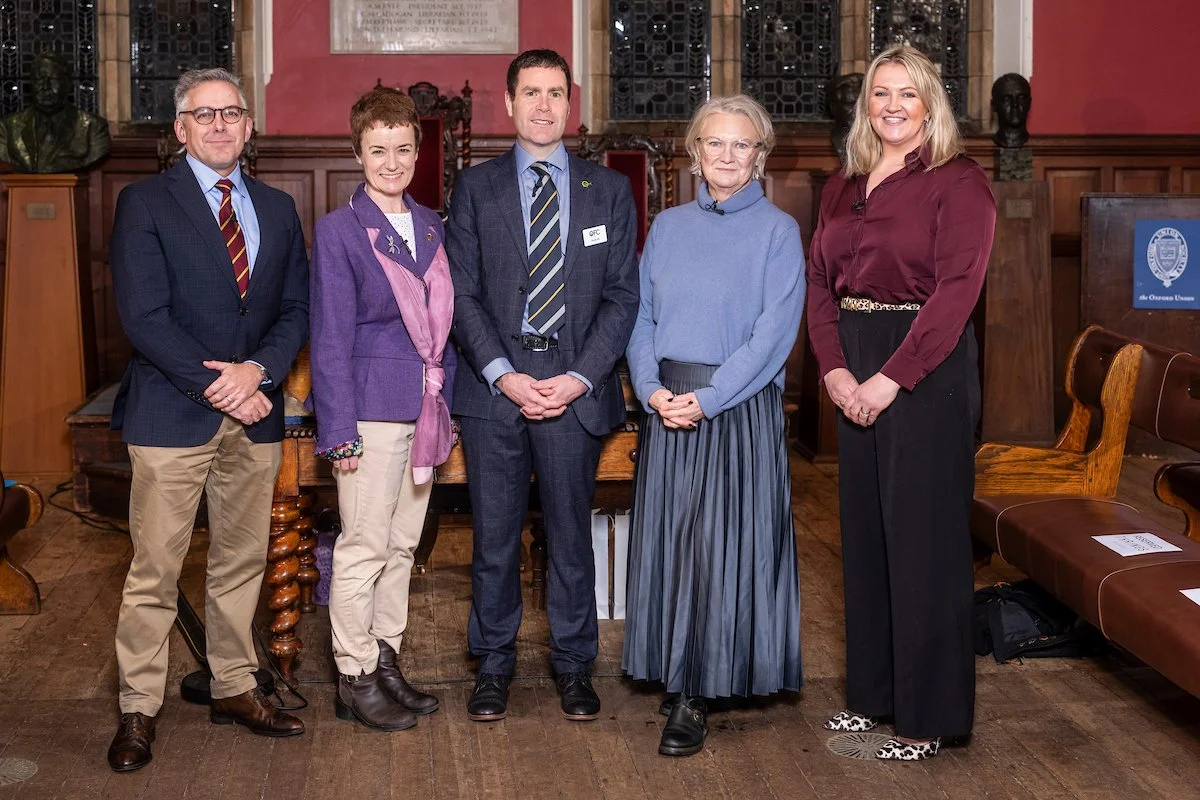
Debaters in the Oxford Union. For the motion: Dr Elliott Grant & Kate Russell; Chairman David Hill; the Opposers Sue Pritchard & Tracey Roan
But there is another strand to the argument too: what will “farming” mean in 90 years’ time?
While we might expect food production to remain the core – albeit with more of that happening in fully climate-controlled environments – will we have expanded our definition to include management of the natural environment and harvesting of a wider range of ecosystem services?
Will the farmer of 2116 earn their living as much from maintaining healthy ecosystems and managing the carbon, nitrogen and water cycles as they will from growing food, fibre and fuel crops? Will this be state-funded, or will businesses pay a levy, acknowledging their impact on the natural world?
Will opportunities to deliver green social prescribing under a ‘Natural Health Service’ provide additional income streams and will this become part of everyone’s private healthcare provision?
Will our society better understand, appreciate, value and pay for a natural environment which repays that investment many times over in what it does for us?
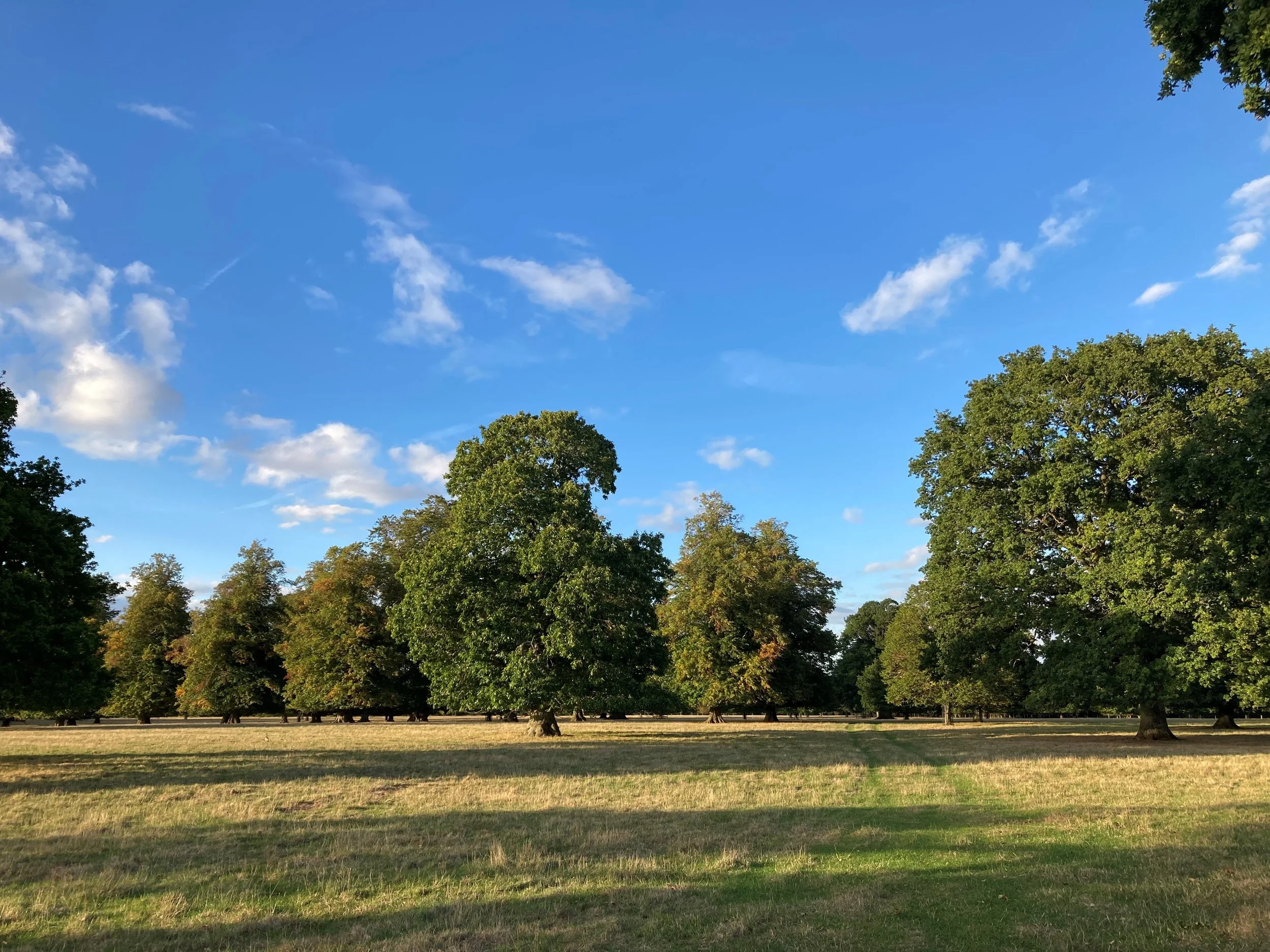
In 90 years’ time, what might this natural capital earn? (Photo credit: Kate Russell)
I’m an optimist (you have to be if you work in natural capital), so I believe that the answer to all those questions is yes. Yes, the future of farming will look very different, but if we have grasped the opportunities which are emerging now, to create and grow new markets rewarding investment in the natural environment, we will build a firm foundation for future generations.
At the splendid dinner which followed the debate, it was announced that the Opposition had defeated the motion: we had lost the vote. Our opposers, Sue Pritchard of the Food, Farming and Countryside Commission and Tracey Roan, dairy farmer and consultant, had won the day with their eloquent argument that farming was a way of life, not merely a job. Defeated but unbowed, I foresee much wider discussions about the role of AI and tech; what we want from farms and farmers; and the role of emerging natural capital markets in our future.
14th January 2026